When physicians seeking to uncover the cause observed that women who gave birth at home had a significantly lower chance of developing the fever, they realised that the very cure is the problem.
In 1843, a year after the tragic deaths in the Vienna hospital, American physician Oliver Wendell Holmes Sr. published his essay, “The Contagiousness of Puerperal Fever,” identifying poor hygiene practices among doctors and nurses as the source of the outbreak.
Today’s concern is similar, but it is related to the contribution of urban and landscape designers to sustainability and climate challenges.
Are the designers aware that moving from one design project to another without sharpening their pencils, understanding context, and updating their algorithms contributes to an aggravation of future environmental, economic, and social issues? Here are three potential reasons:
Environmental impact
A recent study by Ryan McNeilly Smith et al. showed that planning professionals had a lower awareness of urban design and planning played in heat mitigation and adaptation strategies than urban designers and architects.
Urban and landscape design plays a crucial role in shaping our environment, and poor design choices can have serious consequences. Historically, urban planning has often prioritised short-term functionality or aesthetics without considering long-term environmental, and economic impacts.
- For example, the use of impermeable surfaces like concrete has increased flood risks and contributed to the urban heat island effect.
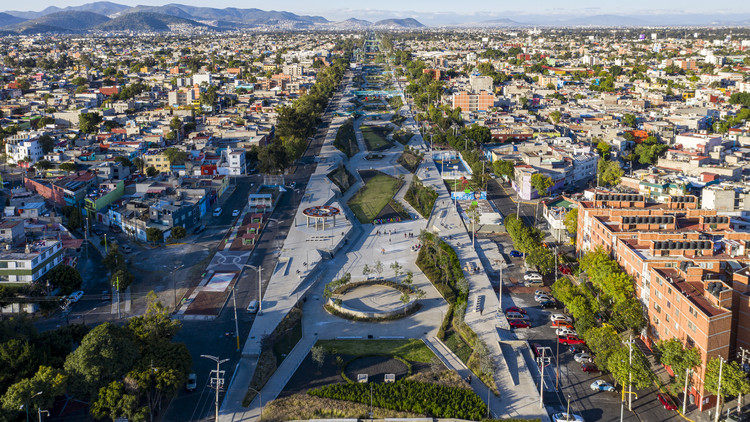
- Urban greenery and landscape choices can significantly influence local microclimates and environmental health. Studies have demonstrated that strategically placing trees and vegetation in cities can lower surface and air temperatures through evapotranspiration and shading, mitigating the urban heat island effect. However, the effectiveness of these interventions depends on plant selection, maintenance practices, and integration with surrounding infrastructure.
- The choice of plant species in urban landscaping affects biodiversity, air quality, and water conservation. Overusing non-native or invasive species can disrupt local ecosystems, outcompete native flora, and provide limited habitat for pollinators and other wildlife. In contrast, well-planned green infrastructure incorporating native vegetation can enhance ecosystem services, such as carbon sequestration, stormwater filtration, and habitat restoration.
- Similarly, another recent study found that ornamental plants are vectors for potential pesticide exposure for consumers and non-target organisms in home gardens. This means that landscape designs that favor ornamental plants over native species can weaken local biodiversity and reduce ecosystem resilience to climate change. Therefore, designers must adopt sustainability as a core principle, considering the broader ecological consequences of their choices.
Economic impact
It was proved recently that low-carbon garden landscape design can provide a good environment for people’s low-carbon life and further ideas for landscape designers. Urban and landscape design greatly influence economic outcomes, both positively and negatively. Poorly planned developments can result in economic inefficiencies, such as increased infrastructure maintenance costs and expenses related to mitigating environmental damage. Suburban sprawl, for instance, often leads to high costs for transportation, infrastructure, and energy consumption, potentially leaving behind decaying neighborhoods if economic growth falters.
Conversely, thoughtful design can stimulate economic growth by creating vibrant, mixed-use communities that attract businesses and residents. The key challenge is prioritising long-term financial sustainability and ensuring that benefits are distributed equitably.
Investing in sustainable urban and landscape design can enhance property values, reduce public health costs, and attract tourism and business investment. Green infrastructure, such as parks and tree-lined streets, has been linked to increased retail activity and higher real estate prices. Meanwhile, energy-efficient buildings and transit-oriented developments can lower operational costs and boost economic resilience. By integrating sustainability into urban planning, cities can foster long-term economic stability while improving the quality of life for residents.
Social impact
The social consequences of urban and landscape design are highly visible yet often overlooked, as design decisions can either exacerbate or alleviate social inequalities. For instance, waterfront regeneration is impacted by certain social aspects. Conversely, well-designed public spaces, such as parks and pedestrian-friendly streets, can enhance well-being and promote social cohesion within communities.
However, designs that favor affluent residents or tourists can lead to gentrification, displacing long-standing residents and undermining the neighborhood’s social fabric. The challenge lies in creating inclusive designs that serve the needs of all community members.
Moreover, accessible and community-driven urban design fosters a sense of belonging and strengthens social networks. Inclusive public spaces that accommodate diverse cultural and recreational needs encourage interaction among different social groups, reducing isolation and promoting equity. Additionally, integrating safety measures, such as adequate lighting and well-maintained walkways, ensures that public spaces remain welcoming and usable for all, particularly vulnerable populations such as children, the elderly, and individuals with disabilities.
The “Third Diamond” needed
In urban and landscape design, the concept of a “third diamond” emphasises the importance of considering the long-term impacts of design decisions on the environment, economy, and society. Designers should integrate foresight and ethical considerations throughout the design process.
This includes environmental foresight, focusing on:
- climate resilience and sustainability through strategies like green infrastructure;
- economic foresight, which ensures long-term viability and minimizes future financial burdens;
- and social foresight, promoting inclusivity and equity by engaging diverse stakeholders and considering the needs of all communities.
Conclusion
Urban and landscape designers referenced in the article have a responsibility to see beyond the immediate goals of their work, similarly to the doctors. They must anticipate and mitigate negative consequences, ensuring their designs contribute positively to the world.
Short-term thinking and a narrow focus on creation have led to long-term harm which risks repeating the mistakes of the past.
By embracing a more conscientious and forward-thinking approach, designers can help build cities and landscapes that are not only beautiful and functional but also sustainable, equitable, and resilient for generations to come.
Feature image: thanks to az.design
 data jungle adventures
Leave a comment