We started using a novel design method for landscape and park design using algorithms and simulations to explore different design options. We discussed parametric design in previous posts from software angle. Here we show several advantages in a specific LA perspective:
- Exploration of design possibilities: generative design can explore a vast range of design possibilities, allowing designers to consider and evaluate a wide range of options before deciding on the best solution.
- Optimisation of design solutions: Through algorithms and computer simulations, generative design can optimise design solutions for various parameters such as functionality, sustainability, and aesthetics.
- Efficiency and speed: Generative design can generate designs in a fraction of the time it would take a designer to manually create them, allowing designers to explore more options and spend more time refining the final design.
- Adaptability: Generative design can quickly and easily adjust to changes in the design brief or site conditions, making it an ideal tool for responding to the evolving needs of a project.
- Sustainability: Generative design can consider environmental factors, such as temperature, solar radiation, and wind patterns, and use this information to create designs that are more sustainable and energy efficient.
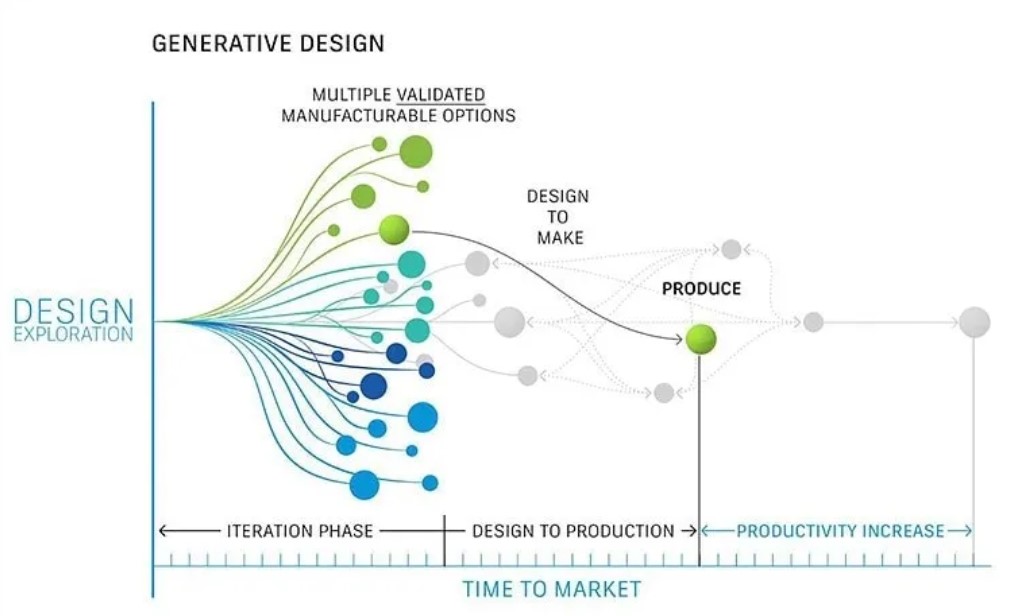
The method uses a hybrid of generative and parametric design, in which we simulate pre-concept and space allocation plans based on design objectives, criteria, and constraints.
The parameters used in generative design in landscape architecture vary depending on the specific goals of the project, but some typical parameters that may be considered include:
- Site conditions: The topography, climate, hydrology, surrounding landuse and other physical site conditions.
- Functional requirements: The desired function and use of the space, such as recreational, educational, or environmental functions such as climate mitigation and cooling effects (thermal comfort index ).
- Aesthetics: Parameters such as visual balance, proportion, and harmony can be used to generate designs that are visually appealing, consistent with the overall design vision and aligned with building codes.
- Sustainability: Parameters such as water use, energy consumption, and materials selection can be used to generate design suggestions that are more sustainable and environmentally friendly design options.
- User experience: Parameters such as user behaviour, preferences, and accessibility can be used to generate designs that create a positive and inclusive user experience.
- Cost: Parameters such as material cost, construction cost, and maintenance cost can be used to generate designs that are financially feasible and cost-effective. This allows reverse-engineering design solutions based on budget constraints.
This requires input of on-site data, user requirements, building codes and regulations, sustainability, materials and budget.
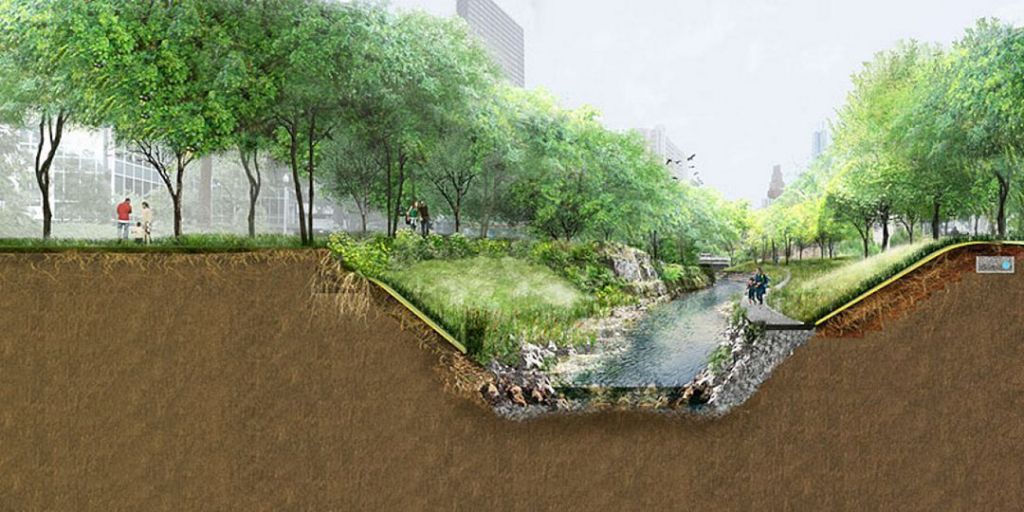
The output helps landscape architects to make more data-driven design decisions, optimise the design solutions for various parameters and quickly respond to changing project requirements.
- 2D and 3D design renderings: these can provide visual representations of the design options, allowing clients and stakeholders to visualise the designs in detail.
- Quantitative analysis: generative design can also provide quantitative analysis of the design options, including cost estimates, cooling effect, travel times for bikes and walkways, energy efficiency, and carbon footprint.
- Design parameters and rules: generative design can also output design parameters and rules used to refine or create new options.
What about a designer’s opinion on the Advantages, Parameters, and Outputs of Generative and Parametric design? Further insights from designer on this will enrich our exploratory process!
 data jungle adventures
Leave a comment