While the hyper-arid desert environment appears sparsely populated by flora and fauna and generally hostile, it still provides excellent habitat value for highly adapted plant and animal species. This natural environment is highly fragile to human and other disturbances as most life occurs beneath the surface and during extremely short periods. In 2001 the first royal decree formalised a common understanding of the KSA’s environment and defined goals for protection and restoration. Below is a summary of the regulatory actions taken by the Kingdom.

A growing regulatory environmental framework supports Saudi Green Initiative. How did this evolve, how are the regulations enforced, and who is in charge?
History of Environmental Regulations
A royal decree first shaped the legislative environmental space in 2001 (M/34) under the Presidency of Meteorology and Environment (PME). Formally named General Environmental Regulations (GER) the Environmental Act No. 193 covers environmental affairs and environmental permits.
An update of the GER was published in 2011 followed by regulatory reforms in 2016. The PME’s was replaced through the General Authority of Meteorology and Environmental Protection (GAMEP) which significantly added to qualification requirements for business operating in the environmental sector.
2001: General Environmental Regulations (GER, Version 1) issued by the Presidency of Meteorology and Environment (PME)
2011: Revision of the General Environmental Regulations (Version 2)
2016: Regulatory reforms
2020: Royal Commission (RC) conducts a 5-year review of Environmental Regulations (involving industrial players)
July 2020: Royal decree (No M/165) supersedes the GER and is actively enforces since January 13th, 2021.
What regulations are relevant today?
In 2020, the Royal Commission issued environmental regulations and enforced them since January 2021. These changes result in higher penalties for violations. Based on Zamakhchary’s overview, the new law expanded the range of prohibitions and obligations, including:
- The scope of the permit requirements (ie the type of developments and activities) that require approval based on their impact was broadened.
- Permit applicant or holder require management and mitigation plans for air-polluting and ozone-depleting substances and associated activities.
- Marine transport operators are required to keep records of pollution-prevention plans and procedures.
- Closer cooperation with the Ministry of Interior for law enforcement (ie for monitoring environmental compliance and dealing with violators).
How are the environmental regulations distributed among authorities? Who is in charge of enforcing the rules?
KSA’s ecosystem of environmental authorities
Today, the Ministry of Environment, Water and Agriculture (MEWA) is the central environmental authority in KSAoperating an Environmental Fund operates along with five bodies:
In addition to the above-mentioned, two other players join the game in the environmental sector: the Royal Commission for Jubail and Yanbu (RCJY) and Saudi Aramco.
Environmental fund
The environmental fund supports the environmental and meteorological and climate sector financially. It provides the necessary capabilities for the sector’s development by supporting the operational budgets for the environmental centres, programs, studies, and initiatives. It also:
- fosters environment-friendly technologies
- improves environmental performance and rehabilitation programs
National Centre for Environmental Compliance (NCEC)
The NCEC is the main actor regarding in the approval space. Controlling requirements for EIA of operational and development activities including industrial, agricultural, commercial, water and energy, mining, and other development projects. Not quite like french grammar, but there are a few exceptions to the rules. Facilities developed or modified under the industrial cities of
- Jubail (planned industrial city located in Asharqiyah province),
- Yanbu (an industrial city in Medinah),
- Ras AlKhair (90 km north of Jubail and becoming the country’s aluminium and phosphate centre),
- Jazan (60 km away from Jazan port and 30 km from the Yemeni border, established in 2009)
NCEC prepares and implements environmental standards and regulations and tracks and controls pollution levels and sources. EIA’s are required for new projects that are neither under the jurisdiction of RC nor governed by Saudi Aramco or part of the four industrial cities above.
We explore the role of NCEC in the approval process in the next blog post.
National Centre for Waste Management (NCWM, also known as MWAN)
The MWAN centre aspires to become a leader in the sustainable waste management sector based on the principles of a circular economy to enhance environmental protection and quality of life.
MWAN issues environmental permits for industrial waste management activities of recycling, disposing, transporting, and other activities related to waste management.
National Centre for Vegetation Cover [and Combating Desertification] (NCVC)
The NCVC aims to combat desertification, develop and rehabilitate vegetation, protect endangered plant species, and manages national parks.
National Centre for Meteorology (NCM)
Responsible for monitoring weather, NCM publishes warnings on extreme weather events to ensure the safety of welfare, people, and property. It assesses and optimises natural resource use, monitors weather patterns, and gives access to e-services.
National Centre for Wildlife (NCW)
The NCW protects and sustains terrestrial and marine wildlife. It implements programmes to address and reduce threats and rehabilitates endangered species and critical ecosystems.
Royal Commission for Jubail and Yanbu (RCJY) and Saudi Aramco (SA)
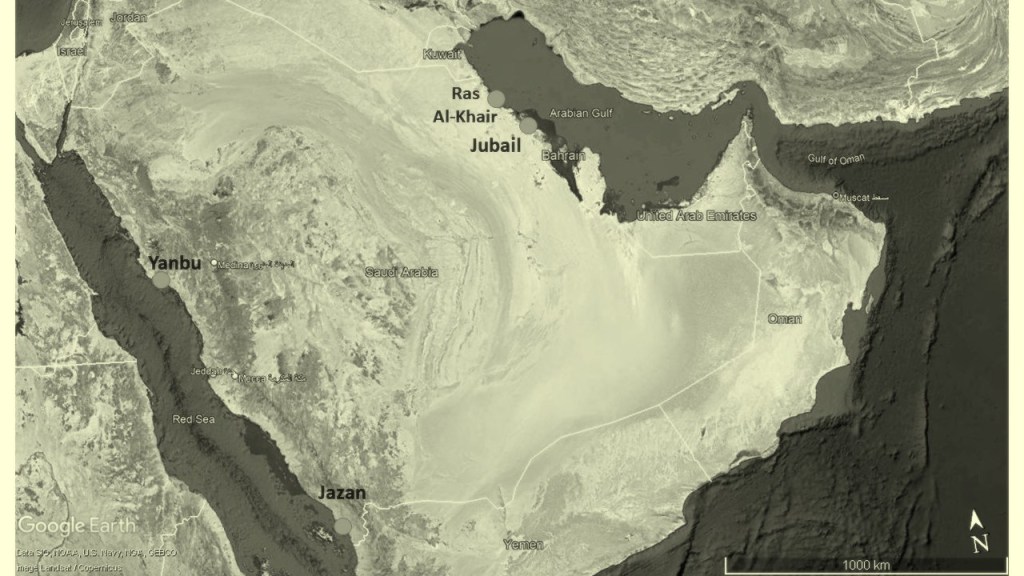
The RCJY’s jurisdiction includes the cities of Jazan, Ras Al-Khair, Jubail and Yanbu. As described by Dr Ian James, Saudi Aramco operates a separate environmental regulatory system that covers developments within its oil fields. For most of Aramco’s projects, the ministry of energy, industry and mineral resources provides environmental approvals. The permits are issued following Saudi Aramco Engineering Standards (SAES) and Saudi Aramco Engineering Procedures (SAEP).
We explore the role of NCEC in the approval process in the upcoming blog posts. Like what you read. Buy us a coffee.
Make a one-time donation
Make a monthly donation
Make a yearly donation
Choose an amount
Or enter a custom amount
Your contribution is appreciated.
Your contribution is appreciated.
Your contribution is appreciated.
DonateDonate monthlyDonate yearly data jungle adventures
Leave a comment